
Different Perspectives on Food Choices
Exploring diverse scientific and cultural views on eating and nutrition
Understanding Food Through Multiple Lenses
Food is not merely fuel for the body—it is a complex phenomenon shaped by biology, psychology, culture, history, and economics. Different disciplines and traditions offer unique perspectives on why people choose what they eat and how these choices fit into broader contexts of nutrition science and society.
This resource explores various viewpoints on food choices without prescribing personal dietary decisions or making claims about body weight outcomes. We examine the scientific, cultural, and social dimensions that influence eating patterns globally and specifically in British society.
Educational content only. No promises of outcomes.
Six Key Perspectives on Food

Biological Perspective
Understanding physiological mechanisms, nutrient absorption, and biochemical processes in digestion.
Learn More
Psychological Perspective
Exploring cognitive biases, emotional eating, sensory preferences, and decision-making patterns.
Learn More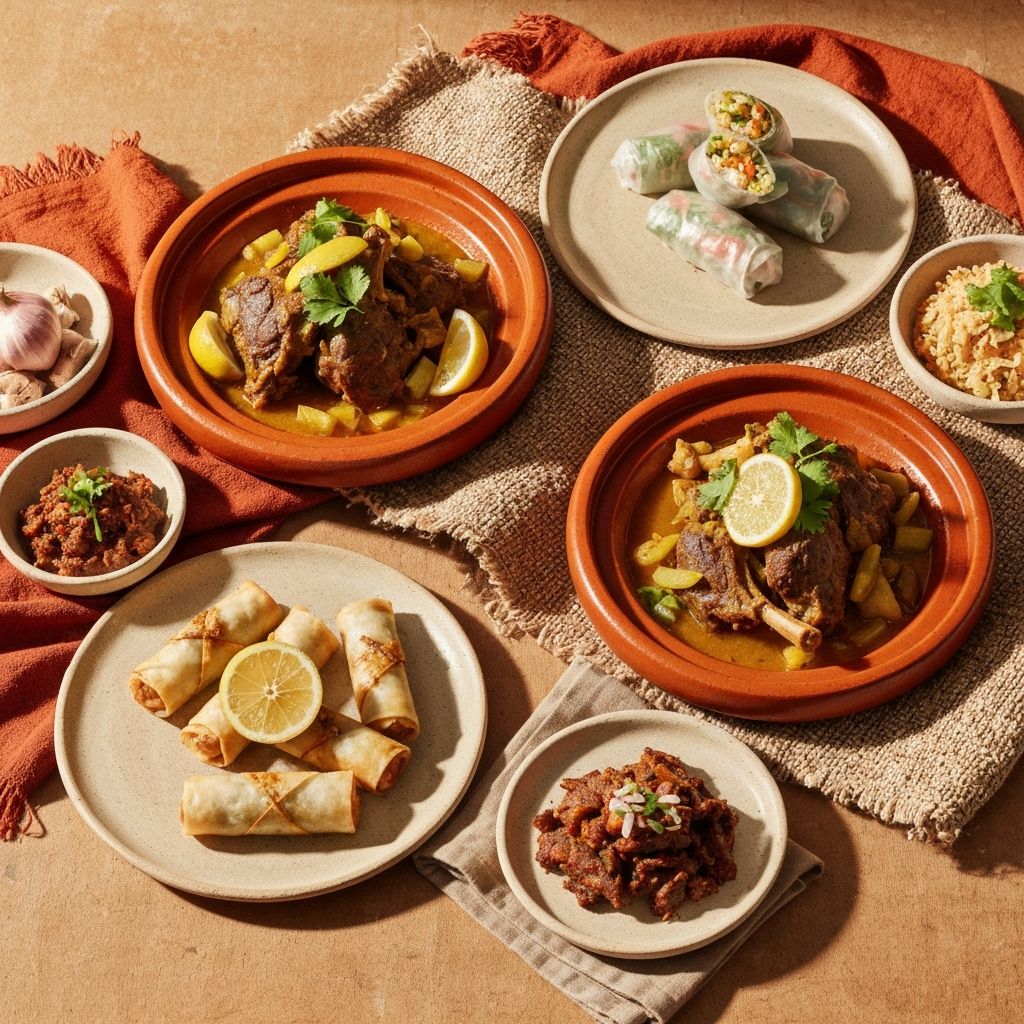
Cultural Perspective
Examining traditions, social norms, and how culture shapes eating habits across societies.
Learn More
Sensory Perspective
Understanding taste, smell, and texture perception from a neuroscience and sensory science angle.
Learn More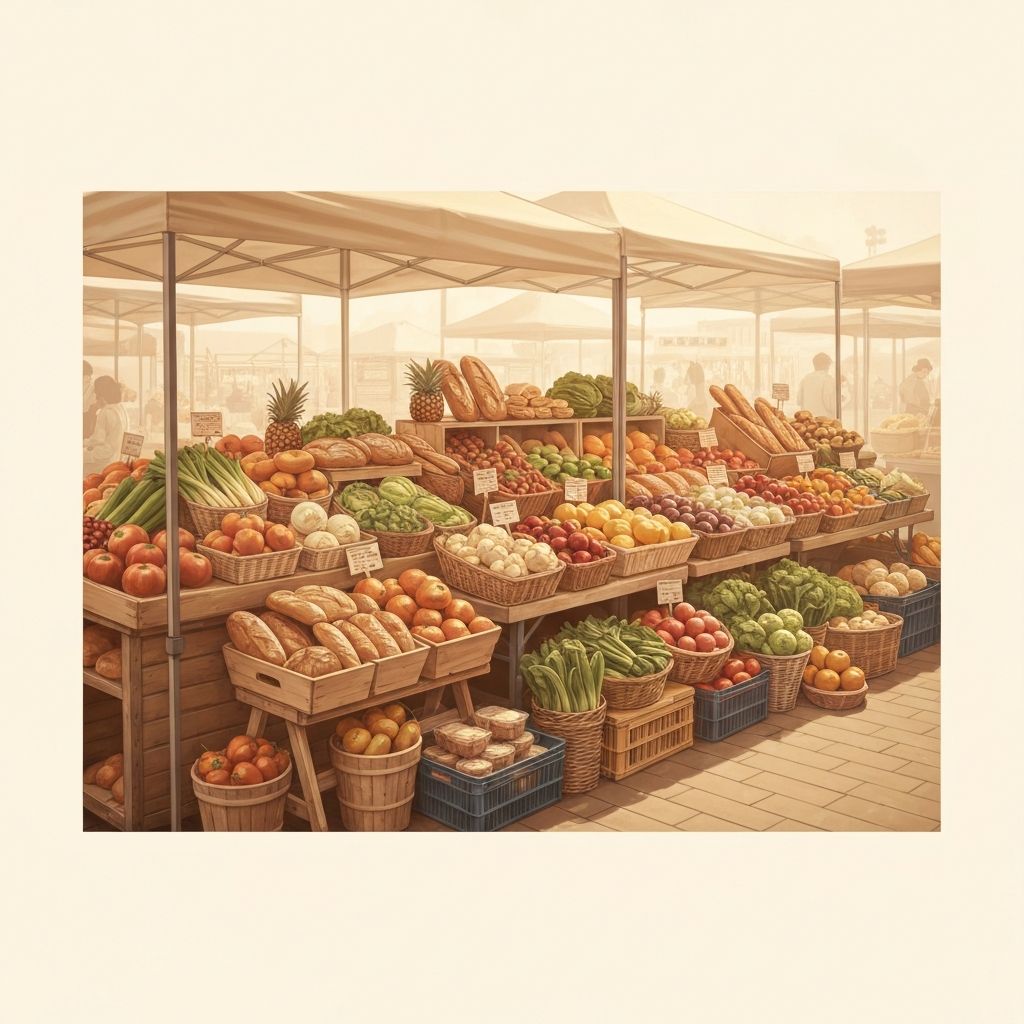
Economic Perspective
Exploring cost, accessibility, supply chains, and socioeconomic factors influencing food choices.
Learn More
Historical Perspective
Understanding how food systems, agricultural practices, and eating patterns have evolved over time.
Learn MoreFeatured Perspective Articles

Explore Our Research-Based Content
Our curated collection of articles examines food choices through different academic and cultural lenses. Each article provides context-rich information without prescriptive guidance, offering readers a comprehensive understanding of why food systems work as they do.
Whether you're interested in the neuroscience of taste, the economics of food accessibility, or cultural food traditions, our articles provide evidence-based insights into diverse perspectives on eating and nutrition.
View All ArticlesFrequently Asked Questions
TheFoodPerspective is an independent educational resource exploring diverse scientific, cultural, psychological, and social perspectives on food choices. We examine how different disciplines understand eating patterns, food decisions, and their broader contexts in society and nutrition science.
No. This is purely educational content. We do not provide personalized recommendations, meal plans, or individual dietary guidance. Our material is designed to explain concepts and provide context about different perspectives on food choices.
Yes. Our articles are informed by research across multiple disciplines including nutrition science, psychology, cultural anthropology, economics, and history. We present different viewpoints and evidence while maintaining an informational, non-prescriptive approach.
The biological perspective examines physiological mechanisms of digestion, nutrient absorption, metabolism, and how the body processes food. It explores biochemical pathways and nutritional science without prescribing individual dietary choices.
Psychology explores cognitive biases, emotional factors, sensory preferences, memory, and decision-making patterns that shape food choices. This includes how past experiences, emotions, and learned preferences influence what and how much people eat.
Culture shapes food choices through traditions, social norms, religious practices, family influences, and collective identity. Food systems are deeply embedded in cultural heritage and social structures that vary significantly across different societies.
The sensory perspective examines taste perception, smell (olfaction), texture, and other sensory qualities of food through neuroscience and sensory science. It explains how sensory preferences develop and influence food choices.
Economics explores cost, availability, supply chains, and socioeconomic factors that influence which foods are accessible to whom. Price, food system infrastructure, and economic constraints shape eating patterns significantly.
The historical perspective traces how food systems, agricultural practices, trade patterns, and eating habits have evolved over time. It examines significant transitions such as agricultural developments, industrialization, and globalization.
This examines British food culture, historical food traditions, contemporary eating patterns in the UK, survey data on British attitudes to food, and how cultural context shapes food choices in British society.
Explore Different Angles
Food is multifaceted. Understanding different perspectives enriches our awareness of why eating patterns exist and how multiple disciplines contribute to our understanding of nutrition and food systems.
Discover new angles on familiar topics. Explore research-based content that respects the complexity of food choices.
Explore All ArticlesEducational content only. No promises of outcomes.