Sensory Science of Taste and Texture
Understanding perception, neuroscience, and sensory appreciation of food
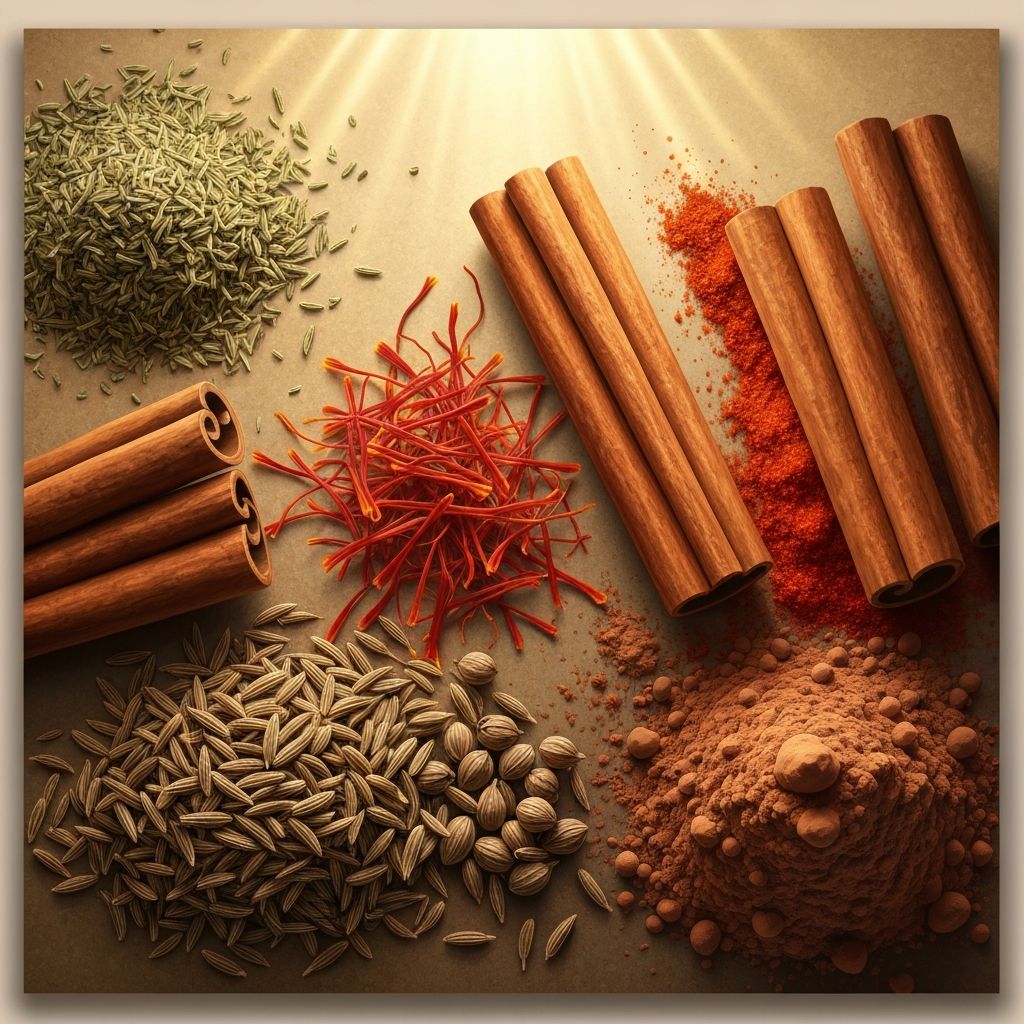
The Science of Taste Perception
Taste is perceived through taste receptors on the tongue, soft palate, and throat. These receptors detect five primary tastes: sweet, salty, sour, bitter, and umami. However, what people generally call "taste" is actually a combination of taste, smell (olfaction), and texture working together in perception.
The Role of Olfaction in Flavor
Smell contributes far more to flavor perception than taste alone. Most of what people experience as taste is actually olfactory perception. Volatile compounds from food reach olfactory receptors through the nasal passage when eating. This is why food loses flavor appeal when someone has a cold affecting smell.
Texture and Mouthfeel
Sensory receptors in the mouth and throat detect texture characteristics like roughness, hardness, viscosity, and temperature. The mechanical sensation of chewing and swallowing contributes significantly to food enjoyment. Different foods provide diverse textural experiences that influence preference and satisfaction.

Development of Taste Preferences
Taste preferences are shaped by repeated exposure to flavors. Infants show innate preferences for sweet and salty tastes, but preferences for other flavors develop through experience. Repeated exposure to unfamiliar flavors typically increases liking, a phenomenon called habituation.
Individual Variation in Taste Sensitivity
Individuals vary significantly in taste and smell sensitivity. Some people are "supertasters" with heightened taste sensitivity to certain compounds, while others have reduced sensitivity. Genetic differences in taste receptor types and olfactory receptor genes contribute to individual differences in food preferences.
Sensory-Specific Satiety
The sensory system shows adaptation to repeated flavors consumed during a meal. This phenomenon, called sensory-specific satiety, means that repeatedly consuming the same flavor reduces its appeal. Introducing new flavors and textures increases overall consumption.
Limitations and Context
Understanding sensory science explains food enjoyment and preference development, but sensory perception exists alongside other factors determining food choice. Individual sensory differences exist without implying any single "correct" sensory preference for food.
Key Takeaways
- Taste is perceived through taste receptors detecting five primary tastes
- Smell contributes more to flavor than taste perception alone
- Texture and mouthfeel significantly influence food enjoyment
- Taste preferences develop primarily through repeated exposure
- Individual genetic variation affects taste and smell sensitivity
- Sensory adaptation occurs with repeated flavor consumption
Educational content only. No promises of outcomes.